Professional Double Glazing: What's New? No One Has Discussed
Professional Double Glazing: Enhancing Home Comfort and Efficiency
As property owners progressively prioritize energy efficiency, comfort, and visual appeal, expert double glazing has emerged as an essential service. This post digs deep into what double glazing is, its advantages, the materials utilized, installation procedures, upkeep, and frequently asked concerns to assist property owners make notified decisions.
Understanding Double Glazing
Double glazing describes the use of 2 panes of glass separated by a space (often filled with argon gas) to create an insulating barrier. This technology is commonly utilized in windows and doors and serves to significantly enhance the thermal performance of a structure.
Benefits of Double Glazing
- Energy Efficiency: Double glazing lowers heat loss, keeping homes warmer in winter season and cooler in summertime, which equates to reduce energy expenses.
- Noise Reduction: The air space in between the glass panes works as a buffer that reduces external sound, making homes quieter.
- Condensation Prevention: Enhanced insulation reduces the probability of condensation forming on window surfaces.
- Increased Security: Double-glazed units are usually harder than single-pane glass, providing enhanced resistance versus required entry.
- UV Protection: The layered glass assists obstruct damaging UV rays from penetrating the home, safeguarding carpets, furnishings, and art work from fading.
Benefit
Description
Energy Efficiency
Lowers heat loss and decreases energy costs
Sound Reduction
Lessens external sound intrusion
Condensation Prevention
Decreases the chance of wetness accumulation on windows
Increased Security
Supplies boosted resistance to break-ins
UV Protection
Blocks harmful rays, protecting indoor visual appeal
Types of Double Glazing
Numerous types of double-glazing systems are available, each with particular attributes that deal with different needs:
- Standard Double Glazing: Composed of two panes of glass, commonly used in houses.
- Low-E Glazing: Features an unique coating that reflects heat back into the room, contributing to energy efficiency.
- Acoustic Glazing: Designed specifically to lower sound transmission, suitable for homes in busy areas.
- Self-Cleaning Glass: Utilizes a special covering that breaks down dirt particles, making cleaning simpler.
- Triple Glazing: Incorporates 3 panes of glass, using even higher insulation than double glazing.
Installation Process
The installation of double glazing is a delicate process that requires expert knowledge to guarantee optimal efficiency. Here's a short overview of the typical steps included:
- Consultation: Homeowners discuss their needs and choices with a double-glazing expert.
- Measurement: Accurate measurements of existing window or door frames are taken.
- Material Selection: Homeowners pick the kind of glazing and frame materials (uPVC, aluminum, wood, etc).
- Production: Custom units are created based upon the specs supplied.
- Installation: Professional installers get rid of existing windows and carefully fit the brand-new double-glazed systems.
- Finishing: Any necessary changes, consisting of sealing and ending up touches, are finished.
To completely value the value of expert installation, it is vital to recognize the skills required to make sure appropriate alignment, sealing, and insulation.
Maintenance of Double Glazing
While double glazing is typically low upkeep, homeowners need to execute certain practices to lengthen its lifespan and efficiency:
- Regular Cleaning: Clean the outer and inner glass surface areas occasionally using a mild detergent and soft fabric.
- Inspect Seals: Periodically inspect the seals around the frames for any signs of damage or wear.
- Keep Drains Clear: Ensure drainage holes in frames are devoid of debris to prevent water accumulation.
- Professional Servicing: Consider having the units expertly serviced every couple of years to ensure functionality.
Often Asked Questions (FAQs)
1. The length of time does double glazing last?Double glazing systems normally last in between 20 and 35 years, provided they are installed correctly and maintained. 2. Can double glazing decrease my energy bills?Yes, it
**can substantially lower energy bills by enhancing insulation and decreasing the need for cooling and heating. 3. Is double glazing worth the investment?Yes, while it might need a greater preliminary
investment, the long-lasting cost savings on energy bills and increased property value often make it a worthwhile expenditure. 4. Are there any grants offered for setting up double glazing?In lots of regions, there might be government-backed incentives, refunds, or grants readily available for energy-efficient home enhancement procedures, including double
glazing. 5. Can double glazing be installed in existing windows?Yes, double glazing can be retrofitted into existing window frames, though this might include more work than setting up new
windows. Purchasing professional double glazing is a tactical choice for house owners looking for to enhance comfort, security, and energy performance in their properties. With a myriad of options available, along with the clear benefits it brings, double glazing has proven itself a sound financial investment for homes. By understanding Repair My Windows And Doors , installation procedures, and upkeep tips, property owners can make experienced options that will lead to lasting comfort and reduced energy expenses in the long run. 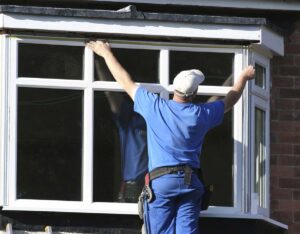 **
**